



Home / Tirzepatide

Tirzepatide in Sacramento, CA

Tirzepatide is a once-weekly prescription medication for long-term weight management in eligible adults. Care includes medical evaluation, individualized dosing, nutrition guidance, and provider follow-up.

Once-weekly injection
Dual GIP and GLP-1 action
Individualized dosing
Provider-monitored care

Request a consultation

Tell us how to reach you and what you would like to discuss. Our team replies within one business day. Prescribing requires a medical evaluation.

Submitting this form does not create a provider-patient relationship. Do not include medical details.

CARE LED & MEDICALLY REVIEWED BY

Somer Schreiber-Small, FNP-C, MSCP, ABAAHP

ABAAHP Diplomate | Certified BHRT Provider | Menopause Society Certified Practitioner | Nearly 30 Years in Clinical Medicine

MSN, Samuel Merritt University • Board-Certified Family Nurse Practitioner

What Is Tirzepatide?

Tirzepatide is a once-weekly prescription medication that works through two hormone pathways involved in appetite, digestion, and blood sugar regulation: glucose-dependent insulinotropic polypeptide (GIP) and glucagon-like peptide-1 (GLP-1). Its dual action can reduce hunger, increase fullness after eating, slow gastric emptying, and support better control of food intake.

Tirzepatide is the active ingredient in two FDA-approved medications with different uses. Tirzepatide is approved for chronic weight management in eligible adults and for moderate to severe obstructive sleep apnea in adults with obesity. GIP is approved to improve blood sugar control in adults with type 2 diabetes. Treatment is combined with nutrition, physical activity, and regular medical monitoring.

01. Two Hormone Targets

Tirzepatide is the first medication approved for weight management that activates both GIP and GLP-1 receptors. This distinguishes it from treatments that work through the GLP-1 pathway alone.

02. One Medication, Different Brand Uses

Tirzepatide is the active ingredient in FDA-approved medications used for chronic weight management and to improve blood sugar control in adults with type 2 diabetes. The specific FDA-approved indication depends on the prescribed medication.

03. Built for Long-Term Management

Tirzepatide is intended to support ongoing treatment rather than provide a quick or temporary change. Continued use depends on effectiveness, tolerability, health goals, and regular clinical review.

The mechanism

How Does Tirzepatide Work?

01

Dual-Hormone Activity

Tirzepatide activates GIP and GLP-1 receptors that help regulate appetite, calorie intake, insulin release, and post-meal blood sugar.

02

Appetite and Fullness

By affecting appetite signals and slowing gastric emptying, tirzepatide can help patients feel satisfied with smaller portions and experience less hunger.

03

Blood Sugar Regulation

Tirzepatide increases insulin release when blood sugar is elevated and reduces glucagon. Patients using insulin or certain diabetes medications require careful monitoring.

Why patients choose it

Evidence-Based Benefits of Tirzepatide

Treatment supports medically supervised weight reduction. Results depend on dosage, health history, adherence, nutrition, activity, and individual response.

Tirzepatide 2

Significant Weight Reduction

Clinical trials found that adults receiving Tirzepatide achieved significantly greater average weight reduction than those receiving placebo when treatment was combined with reduced-calorie nutrition and increased physical activity.

Tirzepatide 3

Long-Term Weight Maintenance

Tirzepatide is approved not only to reduce excess body weight but also to help eligible adults maintain weight reduction during ongoing, medically supervised treatment.

Tirzepatide 4

Reduced Appetite and Food Intake

By activating GIP and GLP-1 receptors, tirzepatide reduces appetite and food intake. This can help patients feel satisfied with smaller portions and manage persistent hunger.
Tirzepatide 5

Improved Blood Sugar Control

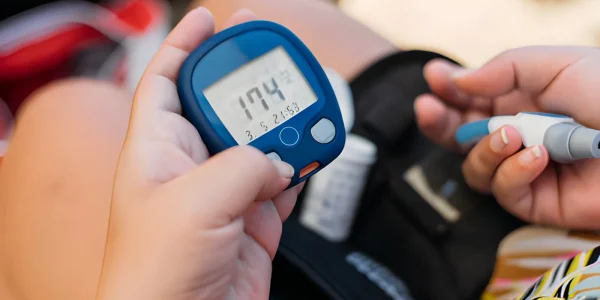
In clinical trials involving adults with type 2 diabetes, GIP produced significant reductions in HbA1c compared with placebo when combined with appropriate diet and exercise.

Tirzepatide 6

Improvement in Obstructive Sleep Apnea

Tirzepatide is approved for moderate to severe obstructive sleep apnea in adults with obesity. Clinical trials showed meaningful reductions in apnea and hypopnea events compared with placebo.

15%–20.9%
Average weight reduction across studied maintenance doses
72 weeks
Length of the pivotal weight-management study
Once
weekly Standard injection schedule

Figures describe study averages for Tirzepatide used with dietary and activity support. No result is guaranteed.

Candidacy

Can Tirzepatide Support Your Weight-Loss Goals?

Tirzepatide may be considered when weight-related health risks remain despite consistent efforts involving nutrition and physical activity. Eligibility depends on your BMI, associated medical conditions, treatment history, current medications, and whether the medication can be prescribed safely.

Weight and Health Requirements

Tirzepatide may be prescribed for adults with a BMI of 30 or higher. Adults with a BMI of 27 to 29.9 may also qualify when they have a weight-related condition such as hypertension, high cholesterol, type 2 diabetes, cardiovascular disease, or obstructive sleep apnea.

Reasons Treatment May Not Be Appropriate

Tirzepatide should not be used during pregnancy or by patients with a personal or family history of medullary thyroid carcinoma, MEN 2, or a serious tirzepatide allergy. Severe gastroparesis and certain digestive conditions may also make another treatment more appropriate.

A Safety Review Before the First Dose

Your provider reviews previous weight-loss treatments, current medications, diabetes therapies, digestive health, and any history involving the pancreas or gallbladder. Planned procedures, pregnancy considerations, oral contraceptive use, and relevant laboratory findings may also affect your treatment plan.

The process

How Synchronicity Health Manages Tirzepatide Treatment

Tirzepatide treatment requires more than receiving a weekly injection. Synchronicity Health uses a gradual, medically supervised process that begins with an introductory dose and progresses according to your response and tolerability. Follow-up visits assess weight changes, appetite, side effects, nutrition, activity, and relevant health measurements so your treatment can be adjusted safely.

01

Consultation

We discuss your goals, previous weight-loss efforts, health history, and whether medication is appropriate.

02

Clinical Review

Your provider reviews medications and risk factors that could affect treatment safety or dosing.

03

Starting Dose

Eligible patients begin at the prescribed introductory dose and receive clear injection instructions.

04

Gradual Dose Escalation

Dosage is increased gradually when appropriate, allowing time to assess tolerability before each change.

05

Progress Monitoring

Follow-up considers weight trends, appetite, nutrition, activity, side effects, and relevant health measurements.

06

Plan Adjustments

Your provider may maintain, increase, reduce, or discontinue treatment based on your response and safety.

Staying on track

Recovery and aftercare

Regular follow-up helps your provider evaluate how well tirzepatide is working and whether your current dose remains appropriate. Visits may include a review of weight trends, appetite changes, nutrition, activity, blood sugar when relevant, and any symptoms that developed after starting or increasing the medication.

Common side effects include nausea, diarrhea, vomiting, constipation, indigestion, and abdominal discomfort. Gradual dose increases, smaller meals, and adequate hydration may improve tolerability. Contact the clinic promptly if symptoms become severe or persistent. Intense abdominal pain, repeated vomiting, dehydration, allergic reactions, changes in vision, or signs of low blood sugar require timely medical attention and should not wait until your next scheduled appointment.

Cost of treatment

Cost depends on the product, dosage, pharmacy, insurance coverage, laboratory work, and follow-up. We explain anticipated charges before treatment begins.

Tirzepatide (Dual GLP-1 / GIP) Therapy FAQ

What is Tirzepatide, and why is it more effective than single GLP-1 medications?

Tirzepatide is a dual GLP-1 and GIP receptor agonist that simultaneously targets two incretin pathways, resulting in up to 20% to 22.5% average weight reduction compared to 15% with single GLP-1 medications. The GIP receptor activation directly enhances insulin sensitivity and adipose tissue lipid buffering, providing deeper appetite suppression with fewer gastrointestinal side effects.

How much does Tirzepatide cost per month at Synchronicity Health?

Tirzepatide therapy at Synchronicity Health costs a flat rate starting at $499 per month, which fully covers all higher dosage titrations (from 2.5 mg up to 15 mg weekly). Patients do not pay higher fees as their dosage increases, ensuring transparent, predictable treatment costs.

Can a patient switch from Semaglutide to Tirzepatide if they hit a weight loss plateau?

Yes, patients who have plateaued on Semaglutide frequently switch to Tirzepatide to activate the unengaged GIP metabolic pathway and re-ignite fat loss. Because tolerance to incretin therapies is established, patients transitioning between medications often cross-titrate directly into equivalent intermediate doses under clinical guidance.

What is the standard titration schedule for weekly Tirzepatide injections?

Tirzepatide begins at an introductory dose of 2.5 mg once weekly for 4 weeks, advancing in 2.5 mg increments every 4 weeks (to 5.0 mg, 7.5 mg, 10.0 mg, 12.5 mg, and up to 15.0 mg) based on therapeutic tolerance and fat loss progress. Dose increases are implemented only when weight loss stalls, avoiding unnecessary physiological tolerance.

Does Tirzepatide cause less nausea than Semaglutide?

Clinical data and patient reports show that Tirzepatide often produces less severe nausea than high-dose Semaglutide due to the anti-emetic buffering properties of GIP receptor activation. Gastrointestinal side effects remain mostly mild and transient during the initial 48 hours following an injection increase.

What supplies are provided with the monthly Tirzepatide prescription?

The monthly Tirzepatide program includes the prescribed compounded medication vial, sterile insulin syringes, antiseptic alcohol prep swabs, and temperature-controlled shipping materials. All routine follow-up consultations and dosage modifications are covered under the flat $499 monthly fee.

Find Out Whether Tirzepatide Is Right for You

A consultation covers your history, your labs and whether semaglutide is the right tool – before anything is prescribed.

Care led by

Somer Schreiber-Small

FNP-C, MSCP, ABAAHP — Family Nurse Practitioner
Tirzepatide consultations
Sacramento · Hablamos Español